
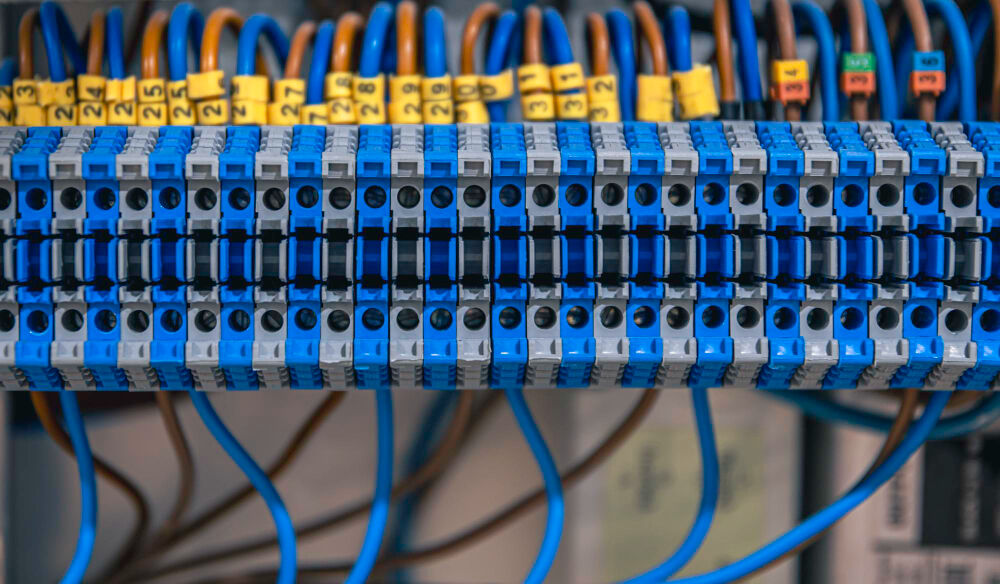
One of the most crucial aspects of any modern business is a reliable network. Whether it’s a small office or a large industrial facility, businesses rely on internet and data connections daily. For businesses to operate smoothly, communicate effectively, and perform optimally in the future, it is crucial to select the appropriate network cables Saudi Arabia. Many organizations pay attention to the computer, servers and networking devices but less to the cabling infrastructure. The strength of network is, however, only as good as the cables which connect all things together.
Why Network Cables Are Important
Network cables are used to transfer data between devices from one network to another. A reliable cabling system is key to every email sent, file shared, video conference held, and cloud application used. Low-quality cables can result in connectivity issues, slow network speeds and cause disruptions in productivity.
Network performance is directly related to business operations for businesses. Inadequate or poor connections may affect the quality of the service you provide to your client, the efficiency of your employees, and the performance of your business. That is why it is recommended to consider the choice of cabling as an investment and not an expense.

What are the needs of a business network?
Each enterprise will have its own networking requirements. You might need a different solution than a small office or one with a small number of users. The businesses should think about their existing and future networking needs before choosing network cables.
The demands on networks are growing as organizations move to cloud services, video conferencing systems, and security and connected devices. Selecting the cables that are able to provide these increasing needs helps prevent the need for additional costs later on. An effective business planning process can save time and money over the long haul.
The following are common types of cables used in business networks
In commercial networks, a number of categories of cable can be found. Both provide varying speeds, bandwidths and performance.
Cat5e cables are still suitable for simple networking needs. They can help with day-to-day business and are frequently found in small office settings. For many uses, their performance is still good, but they might not be the best fit for organizations that are growing rapidly or have growing bandwidth needs.
Cat6 cables are now one of the most common cables used in modern businesses. They offer greater performance, faster speeds and less interference than older cable standards. Cat6 is a popular choice among businesses because of its high performance and reasonable price.
Cat6A cables are for businesses that demand more bandwidth and network capacity. Typically found in larger office buildings, industrial spaces, and data centers where reliability and performance are paramount. Their improved features make them a good choice for companies looking for long-term investments in infrastructure.
Quality components are important because they drive quality
A network consists of much more than cables alone. The connectors, patch panels, racks, switches and installation practices all have a significant impact on performance. The best cable on the market will not give the best performance if the other components are not of the same high standard or installed correctly.
Quality cabling and the use of the best networking equipment can contribute to a stable and efficient network environment. As long as all the elements are doing their part properly, businesses have less connectivity problems, better performance and improved reliability. This holistic solution can lower maintenance expenses and minimise network downtime.
Copper and Fiber Optic Solutions
Copper cabling is a choice that businesses have to make when choosing between copper and fibre optic cabling. Depending on the application chosen, both technologies have pros and cons.
Copper cables are still very common in office networks, retail buildings, educational institutions and commercial buildings. They are steady and are typically less expensive for short-distance installations.
In places where fast internet and data transfer over long distances is needed, fiber optics are becoming more popular. Fiber optic networks are often used in data centers and large campuses, as well as enterprise networks, because they can carry more bandwidth with less loss of signal. Fiber can be more scalable for future growth, although there might be an initial investment.
Planning for Future Expansion
Technologies are advancing at breakneck speed. When businesses invest in network infrastructure today, the future needs to be taken into consideration. Future growth could be scaling up the number of staff, creating new departments, implementing new security systems, introducing cloud-based apps, or boosting the volume of data that’s utilized.
Choosing higher performing cabling during the initial install can save the time and money that is required for upgrades at a later stage. By adopting a forward-looking strategy, organisations can create greater flexibility in adapting to changing business requirements. Scalability can offer a higher return on investment for infrastructure investments over the lifetime of the network.
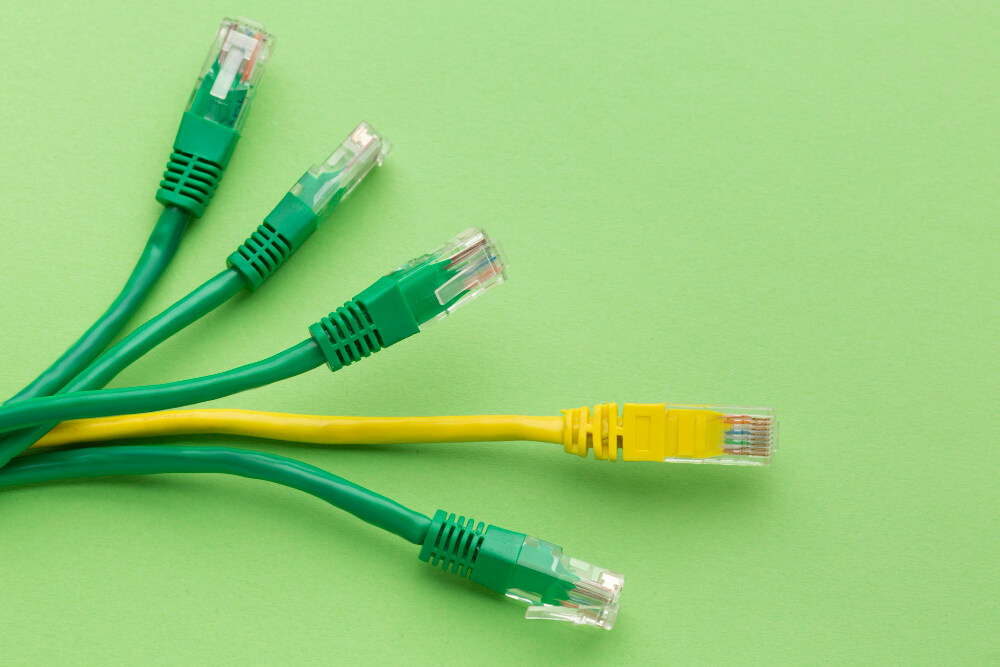
Tips to prevent common cabling errors.Common cabling mistakes to avoid.
One common mistake made by many businesses is picking cables that are just as cheap. Sometimes, cheaper products might seem like a good deal at first but can cause performance problems in the long run and result in higher costs. Network problems may be caused by poor quality materials, lack of shielding, or varying manufacturing processes.
The other common error is not taking current needs into account. No matter how well designed the cable installation is if it only serves the current requirements, it can lead to costly cable replacement projects as technology evolves. Collaborating with reputable suppliers and seasoned experts guarantees long-lasting and dependable performance from the chosen solution.
Selecting the right supplier is crucial.It is very important to choose the right supplier.
The supplier is a key factor in the success of any networking project. Companies should seek suppliers that provide quality products, technical expertise, and various networking solutions. Reliable suppliers can assist organizations to choose the product depending on their specific requirements and help keep the products in line with industry rules.
A competent supplier will also be able to give you helpful advice on set-up, anticipated performance, and future scalability. This assistance enables businesses to make informed decisions and to gain long-term results.
Conclusion
The foundation of a strong network is a strong network. Selecting the appropriate cabling infrastructure can help optimize performance, facilitate business growth and minimize downtime. By knowing the various of network cable types, organizations can choose the right solution for their needs and requirements. From the installation of new infrastructure to upgrading an existing network, one of the best investments a company can make for long-term connectivity and success is in quality cabling.