
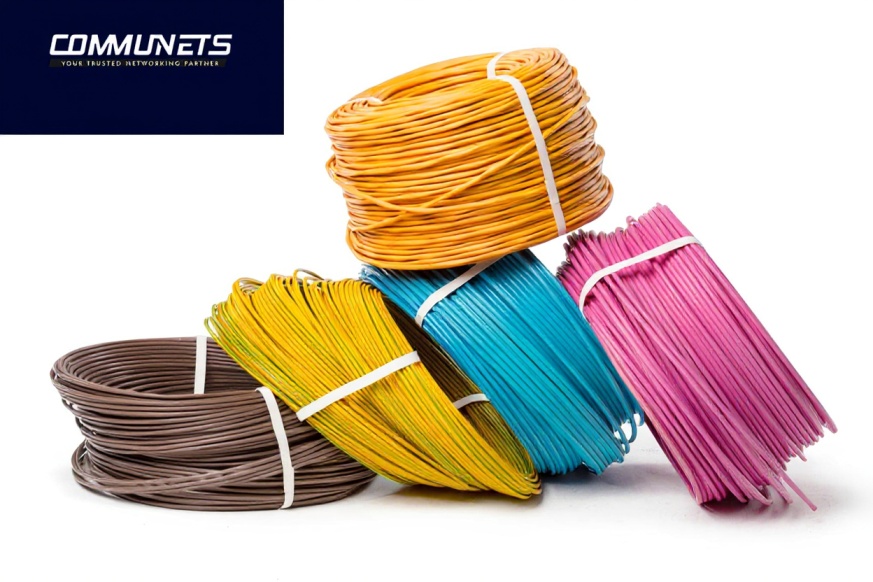
The right cables are the beginning of a good network. In Communets, quality connectivity solutions are important in the establishment of good systems in the homes and businesses. Network cable types are numerous, and they are used to achieve a particular purpose. The correct cable can be used to enhance speed, stability and performance. It is a matter of fact that it is either a small setup or a large infrastructure and getting knowledge about cables makes a difference.
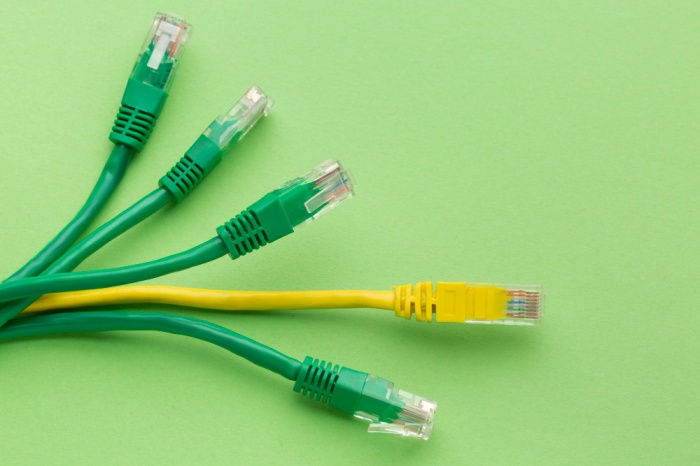
Why Network Cables Matter
Network cables are the base of every connection. They carry data between computers, routers, and switches. Even fast internet will not work well if the cables are poor.
Good cables reduce signal loss. They also improve speed and keep connections stable. In simple words, cables decide how well your network performs every day.
Twisted Pair Cables
Twisted pair cables are the most common option today. You will find them in almost every home and office network.
There are two main types:
- Unshielded Twisted Pair (UTP)
- Shielded Twisted Pair (STP)
UTP cables are simple and cost-effective. STP cables offer extra protection from interference.
These cables are used for Ethernet connections. Categories like Cat5e, Cat6, and Cat6a define their speed. For most users, Cat6 is a good choice because it balances cost and performance.
Coaxial Cables
Coaxial cables are not new, and they have been in use. They continue to pervade TV and internet connection.
They contain copper core and insulation and shielding layers. This design prevents the interference and maintains the signals.
Although they are not as prevalent in contemporary office networks, they are also applicable in some configurations that require consistent transmission of signals.
Fiber Optic Cables
Today fiber optic cables are the fastest one. They also transmit data with light rather than electricity.
This makes them:
- Very fast
- Effective in long distances.
- Not as influenced by interference.
Widely used in data centers and large networks, they help businesses achieve high-speed performance and reliable operations. They are used together with other network hardware equipment to form robust and scalable systems in advanced systems.
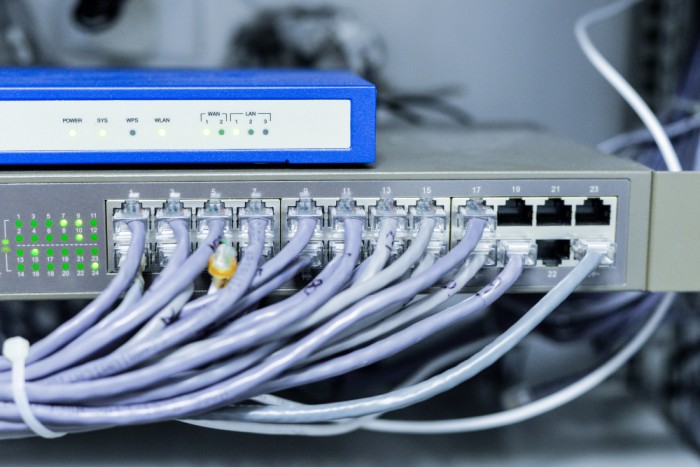
Choosing the Right Cable
Choosing the right cable depends on your needs. Here are some simple tips:
- For home use: Cat5e or Cat6 is enough
- For offices: Cat6 or higher is better
- For long distances: Fiber optic is the best choice
- For older systems: Coaxial may still be useful
Always consider speed, distance, and environment before making a decision.
Common Uses in Networking
Each cable type has its own role in a network.
- Twisted pair cables connect computers and switches
- Coaxial cables are used for internet and TV signals
- Fiber optic cables handle high-speed, long-distance data
Together, they build a complete and efficient network system.
Final Thoughts
Cable knowledge assists you to create improved networks. The correct decision enhances faster and fewer problems, and contributes to the development in the future.

At Communets, stable solutions come in handy to link modern systems with ease. The right cables make all the networking devices to be smooth and intact without failure.